Guides
What Makes Cuban Cigars Different? Facts, Not Hype
Cuban cigars are made from tobacco grown, cured and rolled in Cuba, chiefly in districts such as Vuelta Abajo in Pinar del Rio province, using local soil, climate and seed lines and traditional hand-rolling methods. Whether they are better than cigars from elsewhere is a matter of personal taste. The differences that can be documented are origin, process and regulation.
What is documented, and what is taste
Most claims about Cuban cigars mix two different kinds of statement. Some can be checked: where the leaf was grown, how it was processed, who is allowed to use a protected name. Others are impressions, such as "richer", "more refined" or "the best". Impressions are valid for the person who holds them, but they are not evidence that one origin outranks another.
This article sticks to the first kind. It covers five areas: place, seed, curing and fermentation, hand work, and the rules around the name. For each one it points to a deeper article.
Soil and climate: Vuelta Abajo and other regions
Cuban tobacco country is usually divided into several zones. Vuelta Abajo, in the west of Pinar del Rio, has the strongest reputation. Writers commonly describe its soils as light, sandy and well drained, and its climate as warm and humid with a clear growing season. Our article on the soil and climate of Pinar del Rio sets out these descriptions in more detail.
Vuelta Abajo is not the only source of Cuban leaf. Semi Vuelta, Partido and Remedios are also named in traditional accounts, and Partido is often linked with cloth-grown wrapper. See the myth that all Cuban tobacco comes from Vuelta Abajo. The word terroir is often used for the combined effect of place, but it is hard to measure, and terroir and Cuban flavour treats it as a plausible contributor, not a complete explanation.
Seed varieties and growing methods
Cigar tobacco belongs to a single species, but growers and breeders have developed many strains. In Cuba the names Criollo and Corojo are the best known, and the state research system, the Instituto de Investigaciones del Tabaco, has released newer selections bred for disease resistance. Modern Cuban tobacco is therefore not simply the plant of the nineteenth century. Details are covered in Cuban tobacco seed varieties and the research institute article.
Growing method matters too. Some leaf is grown in the open and some under cloth shade, which suits fine wrapper. Seed, soil and method act together, which is why the same seed planted elsewhere can behave differently.
Curing, fermentation and ageing
After harvest, leaf is hung to dry in a curing barn, a casa de tabaco. Most Cuban cigar leaf is air-cured, relying on natural airflow, temperature and humidity instead of artificial heat. The cured leaf then goes through a managed first fermentation in piles to soften its raw character, followed by gentler steps described in second fermentation and leaf ageing.
None of these stages is unique to Cuba. What can be said is that they are central to the Cuban tradition, and that producers elsewhere also cure, ferment and age leaf, with their own variations.
Hand rolling and factory organisation
Premium Cuban cigars are rolled by hand by a torcedor, who assembles filler, binder and wrapper using simple tools such as the chaveta blade and vegetable gum. In many factories rollers work in rows at benches under supervisors who check the output. Hand rolling is also practised in other countries, so it distinguishes premium cigars from machine-made ones more than it distinguishes Cuba from its neighbours.
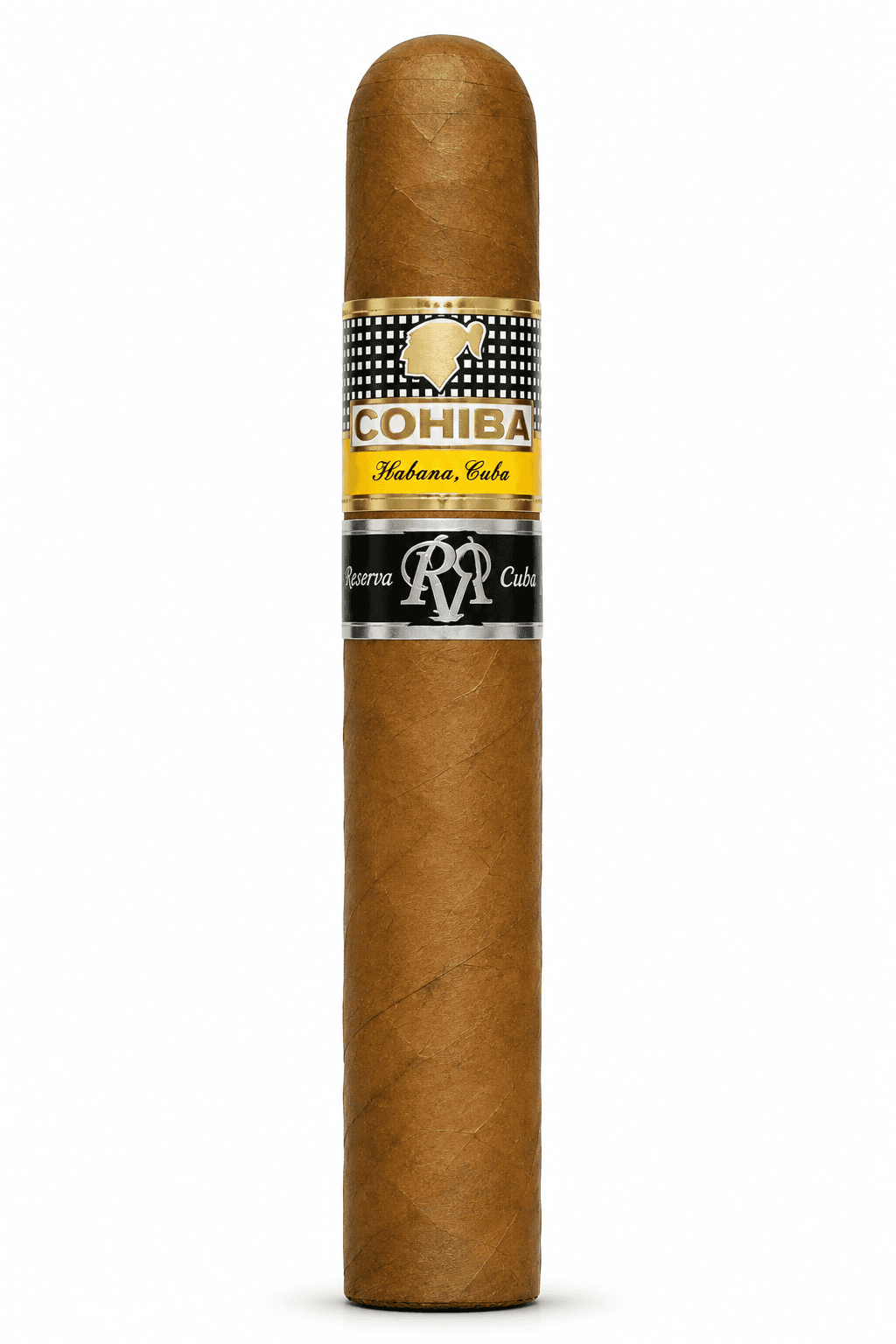
Factories are known by name, and some are tied to particular marcas. El Laguito, for example, is widely associated with the origin of Cohiba.
The Habanos S.A. system: marcas, vitolas and protected origin
The industry was nationalised in 1960, and from 1962 it was run by the state enterprise Cubatabaco (see nationalisation and Cubatabaco), and Habanos S.A., created in 1994, took over the worldwide marketing of Cuban premium cigars (founding of Habanos S.A.). Brands are organised as marcas, each with its own range of vitolas, and each marca is usually discussed in terms of a house style, though such summaries are generalisations.
"Habanos" is also a protected designation of origin, intended to be reserved for cigars that meet Cuban requirements. This differs from a trademark, which identifies a company, not a place. How far the designation is recognised varies by country; see protected denominations of Cuban tobacco and check current official sources for the exact wording.
Cuban and non-Cuban cigars compared
| Factor | Cuban practice | Other regions | Note |
|---|---|---|---|
| Growing zones | Vuelta Abajo, Semi Vuelta, Partido, Remedios and others | Each producing country has its own districts | Soil and climate differ; the effect on taste is hard to isolate |
| Seed | Named lines such as Criollo and Corojo, plus newer selections | Some producers use seed descended from Cuban lines | Seed heritage does not make a cigar Cuban |
| Curing and fermentation | Air-curing, then fermentation and ageing of leaf | Similar stages, with local variations | The stages are shared; the details differ |
| Rolling | Premium cigars rolled by hand by torcedores | Hand-made and machine-made cigars both exist | Hand rolling is not exclusive to Cuba |
| Name and origin | "Habanos" designation and state-controlled production | Other origin rules and trademarks | This is the clearest documented difference |
| Flavour | Often described as earthy or woody | Often described as sweeter or creamier, but ranges overlap | Subjective; see the flavour comparison |
Common claims that need care
- "Cuban seed makes a Cuban cigar." It does not. A cigar is Cuban because of where it was grown and made; see the Cuban seed myth.
- "All Cuban tobacco is from Vuelta Abajo." Several zones supply leaf, as explained above.
- "Cuban cigars are always stronger." Every producing country makes mild, medium and full cigars, so the generalisation fails.
- "Cuban means best." This is an opinion. Tasting blind is a fair way to test it for yourself.
Tobacco is harmful and addictive, and this article is intended for adults only.
Frequently asked questions
What makes Cuban cigars special?
Their documented distinctions are origin, tradition and regulation: leaf grown in Cuba's tobacco zones, state-run production, a protected designation and a strong brand heritage. How special they taste is a personal judgement.
What makes Cuban cigars different?
The combination of place, seed lines, curing and fermentation practice, hand rolling and the Habanos system sets them apart on paper. Many of those individual steps also exist elsewhere, so the difference lies in the combination and the rules, not in any single step.
What is the big deal about Cuban cigars?
Much of it is history and reputation. Cuban cigars were central to the development of premium cigar culture, and the name carries prestige. Reputation is not proof of superiority, and many smokers enjoy cigars from other countries.
Why are Cuban cigars considered better?
Some smokers prefer them, and some prefer other origins. No origin is objectively better, because preference depends on palate, mood and occasion. A blind tasting is a good way to check your own expectations.
How are Cuban cigars made?
Leaf is grown, cured in a barn, fermented, aged, sorted and blended, then rolled by hand and boxed. The stages above link to individual articles on each step.
What do Cuban cigars do to you?
Like all tobacco products, they contain nicotine, which is addictive, and tobacco use is harmful to health. They have no health benefits, and anyone concerned about tobacco use should speak to a health professional.
Is Cuban seed grown elsewhere still Cuban?
No. Cuban seed describes the ancestry of a tobacco variety, not the origin of the cigar. A cigar made elsewhere from Cuban-seed leaf is a cigar of that other country; see the Cuban seed myth.
Reader questions
Questions & answers
No questions yet. Ask the first one.