Guides
Signs of a fake Cohiba
Cohiba is among the most recognised Cuban cigar brands, and for that reason it is among the most imitated. Signs of a fake Cohiba are the inconsistencies in packaging, bands and cigars that suggest a product did not come from the official production chain.
Why Cohiba is a frequent target
The brand name is widely known even among people who do not smoke cigars, which makes it an easy name to sell. Counterfeiters rely on that recognition and on buyers who may not know what a genuine box looks like. Anyone buying a Cohiba should assume that a convincing outer appearance alone is not enough.
Signs on the packaging
- Seal and codes. As with other Habanos, check the warranty seal, the date code and the factory code, as well as the underside statements.
- Printing quality. Compare the logo, the typeface and the colour of labels with reliable photographs of the same line. Soft edges, off colours and misaligned elements are common weaknesses.
- Box construction. Look at the finish of the wood or cardboard, the hinges, the corners and the lacquer. Rough joins can indicate a poor imitation.
- Line and vitola names. Cohiba is sold in several lines. Names or sizes that do not match any line you can verify through official channels are suspicious.
Signs on the band
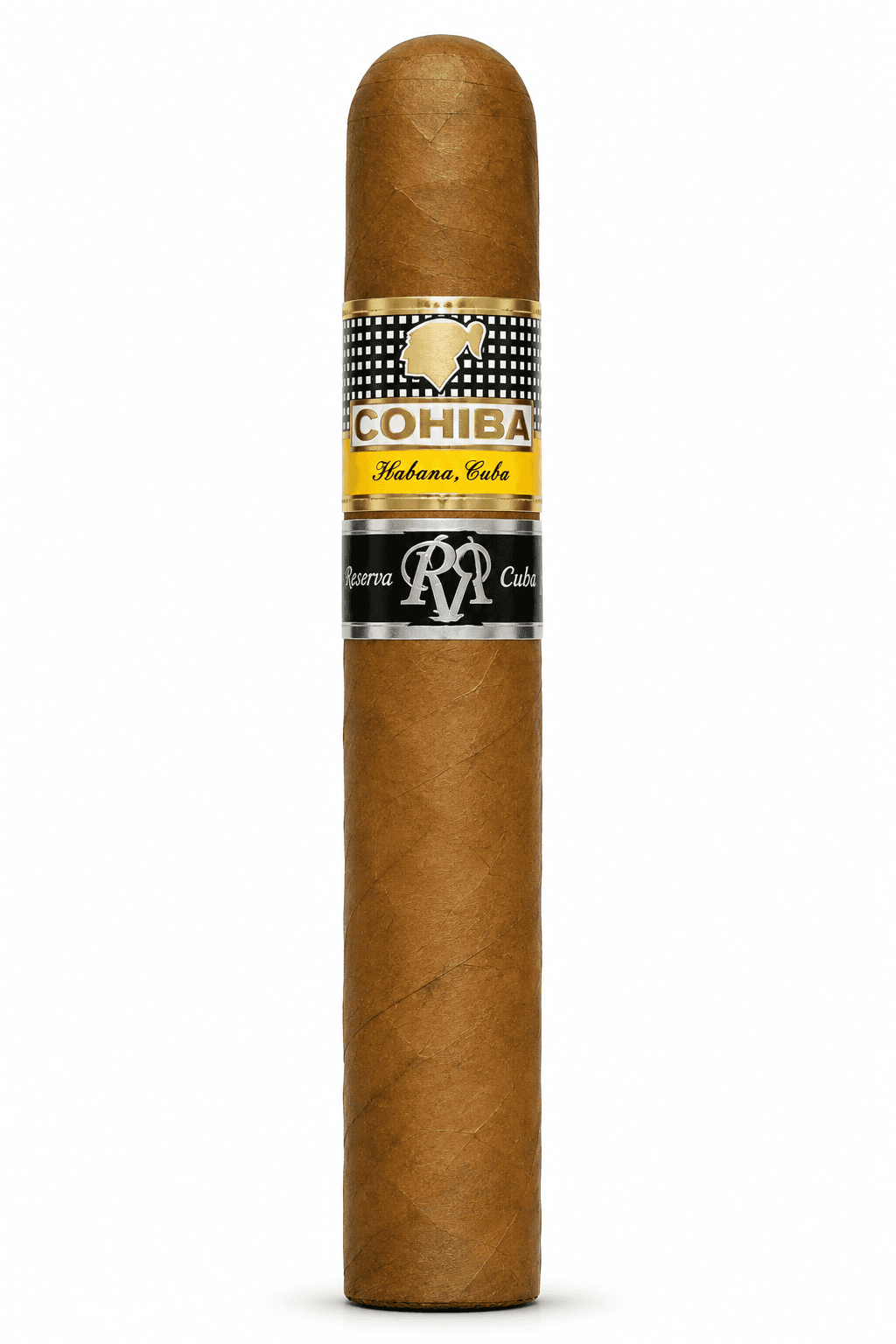
The band should be cleanly printed and evenly glued, with consistent registration between colours. Compare it between the cigars in the same box; large differences from one cigar to the next point to a problem. Avoid relying on specific colour or pattern details quoted from memory, since bands differ between lines and editions. Use current reference images from the manufacturer or reputable specialists instead.
Signs in the cigars
Look at the wrapper, the construction and the uniformity. A genuine box of cigars from a professional system usually has well-matched wrappers and a neat, even finish across the box. Cigars that vary in length, shape or colour more than expected, that feel too soft or hard, or that have lumpy heads, deserve suspicion. Smell and taste are subjective, so they are the weakest evidence; see inspecting the cigars themselves.
Signs in the sale
The circumstances of a sale often say more than the object. A seller who cannot explain where the box came from, who discourages inspection, or who offers it on terms that seem too good to be true should be treated carefully. See price signals that suggest counterfeits and what authorised distribution means.
What no checklist can do
No list of signs is a verdict. Some counterfeits are good, and some genuine items have flaws. Combine the evidence, think about provenance, and when a purchase is significant, seek the opinion of an official channel or an experienced independent specialist.
Keeping perspective on a famous brand
Because Cohiba is so well known, it can attract more worry than it deserves. Boxes bought through authorised channels carry a much lower risk than those from unknown sources. The value of knowing the warning signs is that you can make calm, informed decisions and notice the unusual case when it appears. If something troubles you, pause the purchase, collect photographs and ask for an independent view. A short delay costs little, while an expensive mistake costs a great deal and is difficult to reverse once the box has been opened and the cigars smoked.
Frequently asked questions
Is a Cohiba from a street seller likely to be genuine?
It carries a higher risk than one from an authorised source. See street cigars in Havana.
Can the band alone tell me if it is fake?
Not reliably. Bands can be copied, so judge them together with the box and the cigars.
Are all Cohiba lines identical in packaging?
No. Packaging differs among lines and editions, so use references for the exact product.
Reader questions
Questions & answers
No questions yet. Ask the first one.