Brand history
Cohiba: history and house style
Cohiba is a Cuban cigar brand whose name comes from a Taino word associated with tobacco. It is widely regarded as the flagship prestige marque of the Cuban cigar industry, and its story is unusual because it began as a limited, non-commercial production before reaching the wider market. This article outlines the brand's origins, its main lines and the house style that collectors associate with it.
Origins and early story
The commonly told account places the birth of Cohiba in the 1960s, when a small group of rollers at a Havana workshop produced cigars for official use and gifts rather than for general sale. The workshop is usually identified as El Laguito, a former residence in the city that became a cigar factory. Accounts differ on specific dates and on who supervised the earliest production, so it is wise to treat the finer details as folklore as much as record.
What is generally agreed is that the cigars were held back from the open market for years. Only in the early 1980s did the brand become available more broadly, initially in a very small range of sizes. This long period of exclusivity helped build the aura that still surrounds the name, and it shaped how the brand has been discussed ever since: as a symbol of the top end of Cuban craft rather than as an everyday cigar.
The name and the band
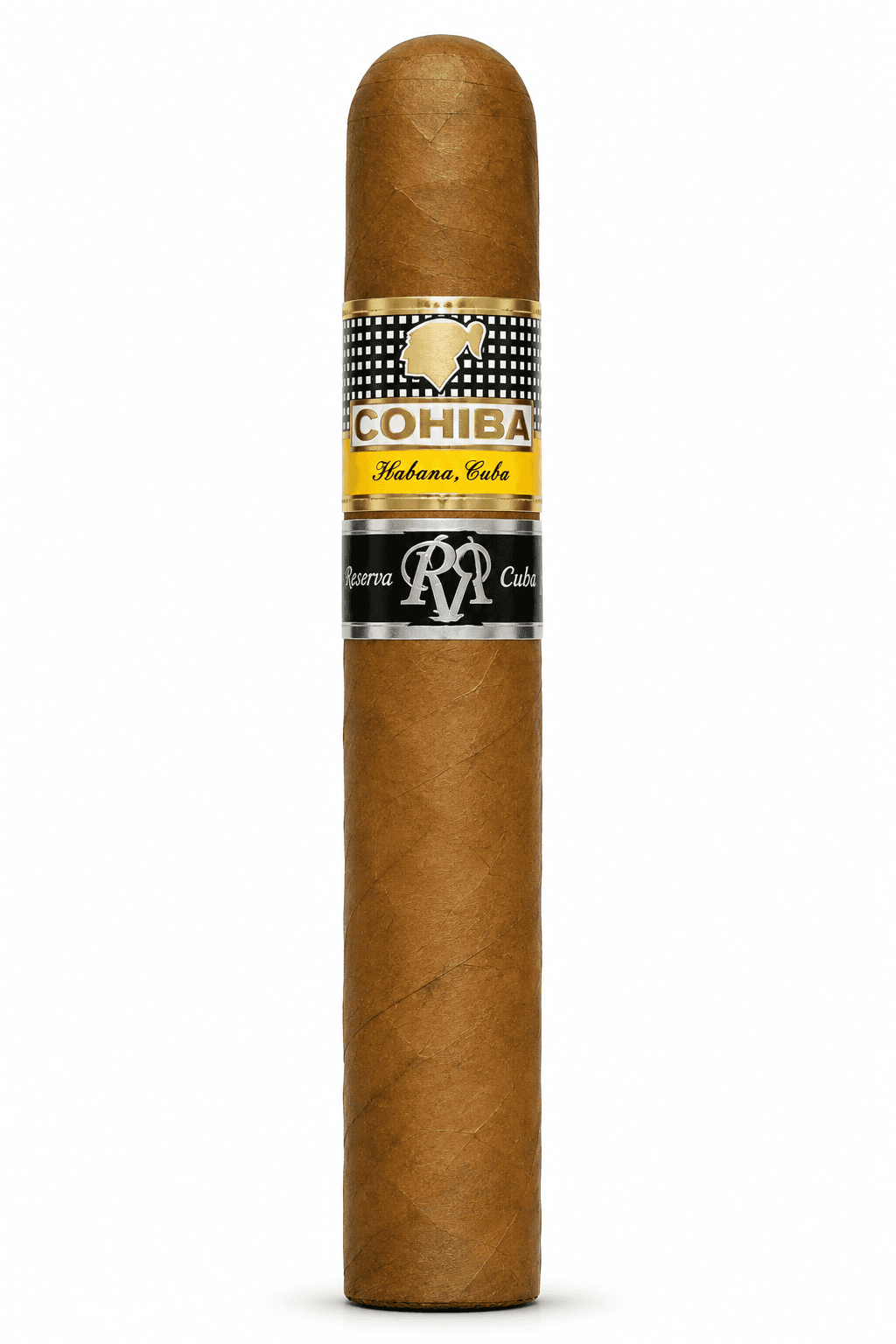
The word Cohiba is usually explained as a Taino term for the tobacco roll smoked by the indigenous people of the Caribbean at the time of European contact. The brand's visual identity draws on this idea. Its band and box artwork use a stylised design with bold angular lettering and a limited palette of black, yellow and orange, which makes it one of the more recognisable bands in the category.
The restrained, geometric look contrasts with the ornate lithographed labels of nineteenth-century houses. It signals a modern brand, even though it is rooted in an old Caribbean word, and that mix of ancient reference and contemporary design is part of its appeal.
Main lines
Cohiba is organised into several distinct lines rather than one continuous range. The original line, often called Linea Clasica, covers the first sizes that were made available commercially. The Siglo line arrived in 1992, the 500th anniversary of Columbus's first voyage, which explains the name; its numbered sizes step up in length and ring gauge. The Siglo VI, added in 2002, expanded that set.
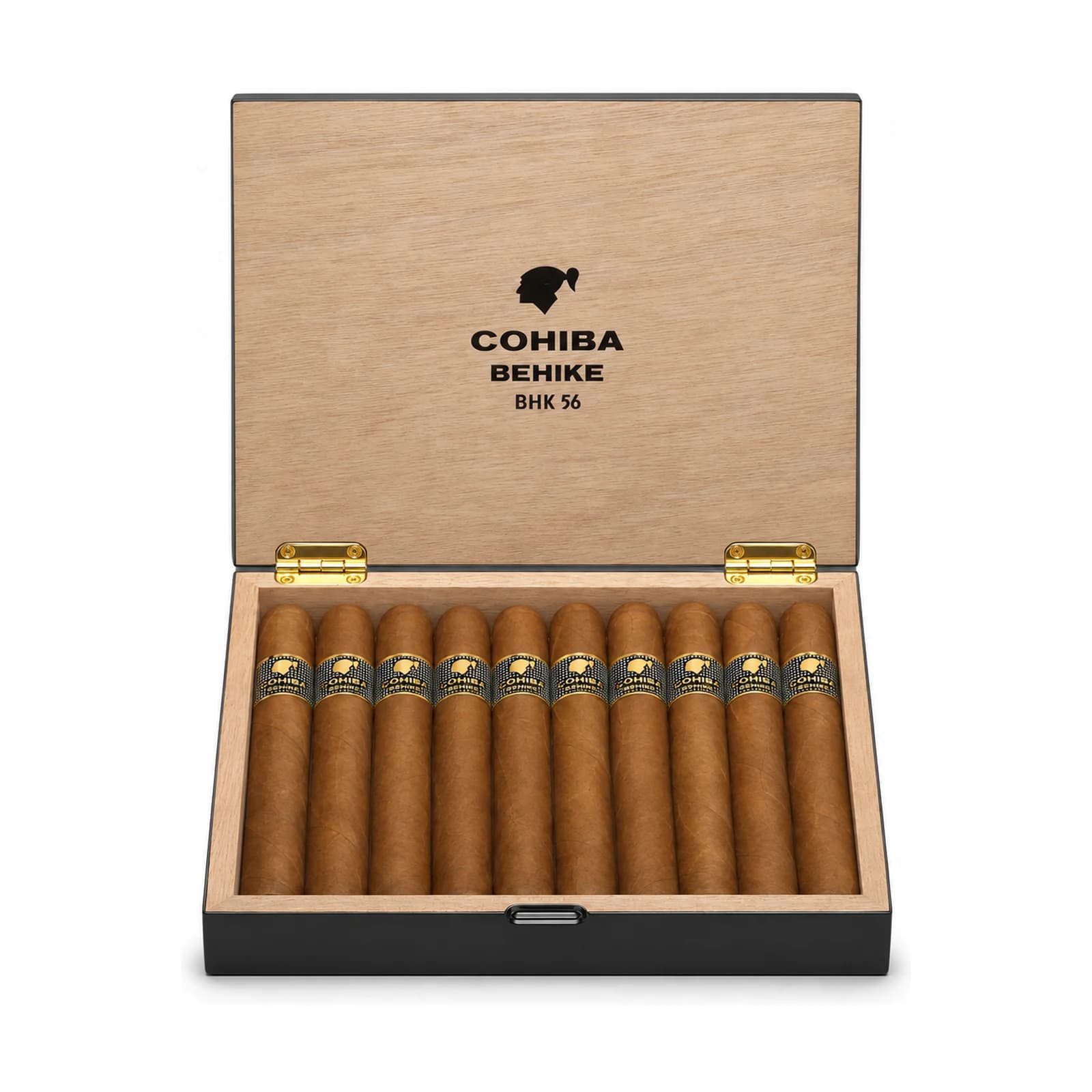
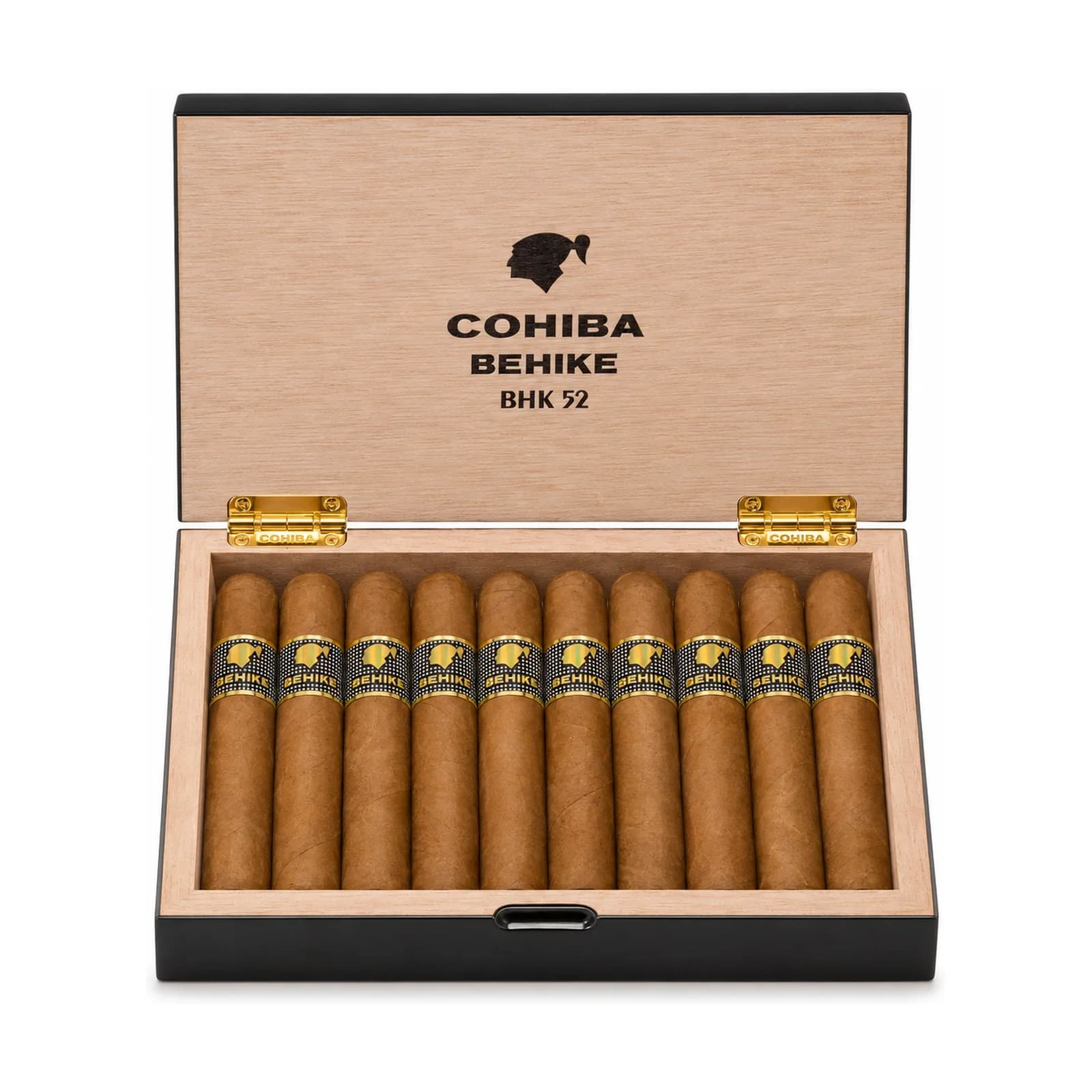
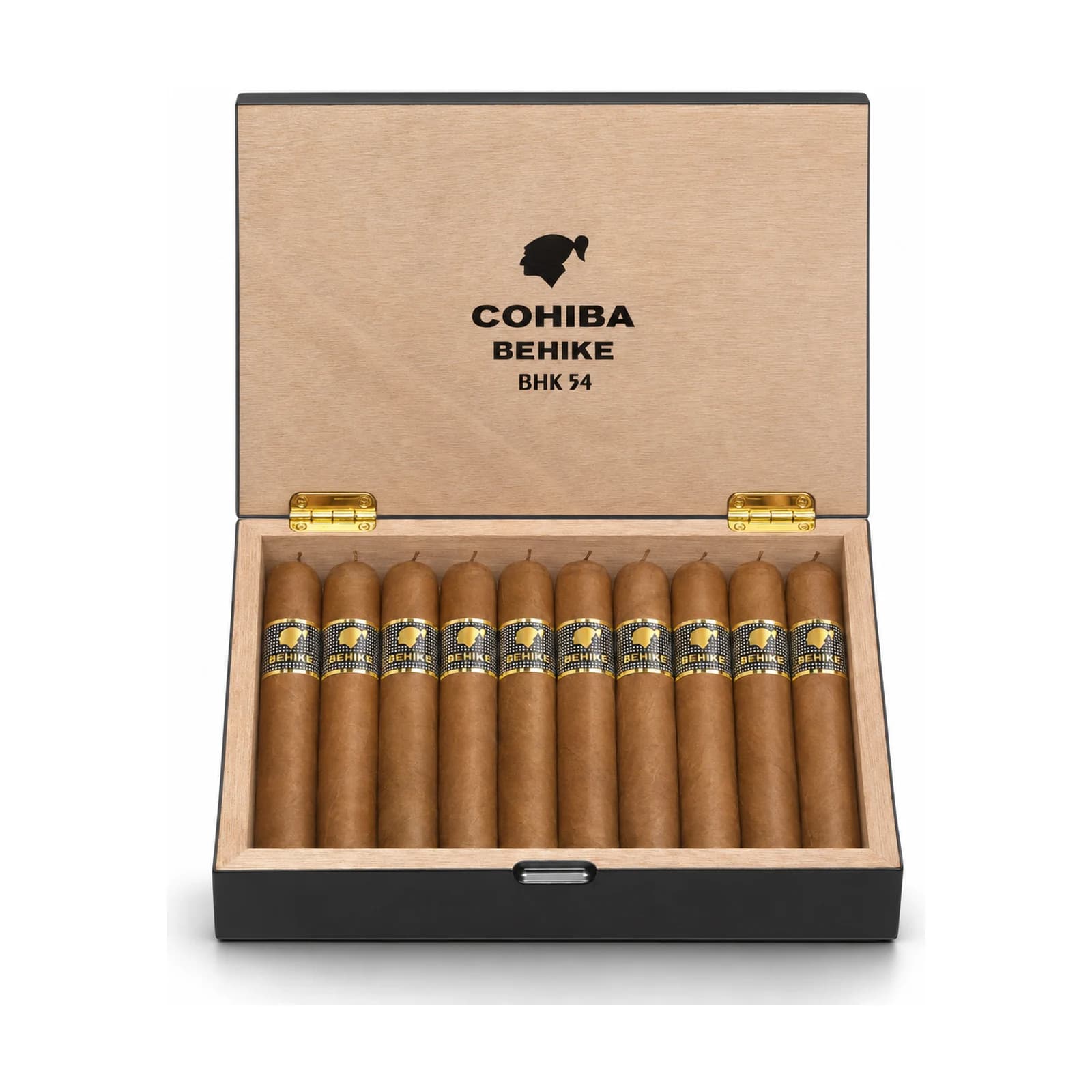
The Behike name first appeared on a limited release in 2006 marking the brand's 40th anniversary, and the regular Behike line followed in 2010 as a higher tier. It is typically described as using a selection of leaf from the Vuelta Abajo region and as being produced in limited numbers. Other lines have been introduced over time, including ranges with different blends and presentations. If you are comparing sizes, check the specific line, because the same-sounding vitola can differ between them.
House style and flavor
Cohiba is often described as medium to full in body, with a smooth and refined profile. Tasters frequently mention notes of cedar, cream, hay, mild spice and a gentle sweetness, with some lines reading as more complex than others. The brand's reputation rests on finesse more than raw power: construction is usually seen as meticulous, and the burn is expected to be even.
A frequently repeated explanation is that the leaf receives additional aging steps compared with some other marques. Producers and commentators describe this in different ways, so it is best read as part of the brand's narrative rather than as a verified production specification.
Collecting and recognition
Because of its status, Cohiba is among the most imitated names in the cigar world, and counterfeit boxes and bands are a well-known concern. Collectors usually learn the features of authentic packaging, such as the quality of printing, the seals and the box codes, before acquiring anything. Any serious guide to authenticity should be consulted from the producer's own materials and trusted references rather than from a single article.
Within a collection, Cohiba often plays the role of a reference point for smooth, elegant Cuban cigars. It pairs naturally with an educational comparison against more traditional, earthier houses, which helps a newcomer understand how much style can vary within one country's production.
Reading a Cohiba vitola
When you see a size name attached to Cohiba, break it down. A length in inches and a ring gauge in 64ths of an inch give you a basic picture of smoking time and flavor concentration. A thinner ring gauge usually concentrates flavors, while a thicker one tends to read as cooler and broader. Combining that with the line name tells you most of what you need to know before you ever light one.
It also helps to keep a simple tasting log. Note the line, the size, how long the cigar rested before smoking and what you noticed in each third. Over time, those notes reveal patterns that no general description can replace.
Frequently asked questions
What does the name Cohiba mean?
It is generally explained as a Taino word linked to tobacco, referring to the rolled leaves smoked by indigenous Caribbean people. The brand uses this heritage in its identity.
Is Cohiba always full-bodied?
No. It is more often described as medium to full, with a smooth rather than aggressive character. Individual lines and sizes vary, so the Behike, Siglo and Linea Clasica ranges can taste noticeably different.
Why are there so many fake Cohiba boxes?
The brand's prestige makes it an attractive target for counterfeiters. Learning the details of authentic packaging and relying on reputable sources is the sensible approach for any collector.
Related reading: Montecristo: history and house style and Partagas: history and house style.
Reader questions
Questions & answers
No questions yet. Ask the first one.